COBB2035: Modern Methods for Structure Based Drug Discovery
An introduction to the modern computational approaches and governing physical and chemical principles that underpin structure-based drug discovery.
Fall Semester (2025–)
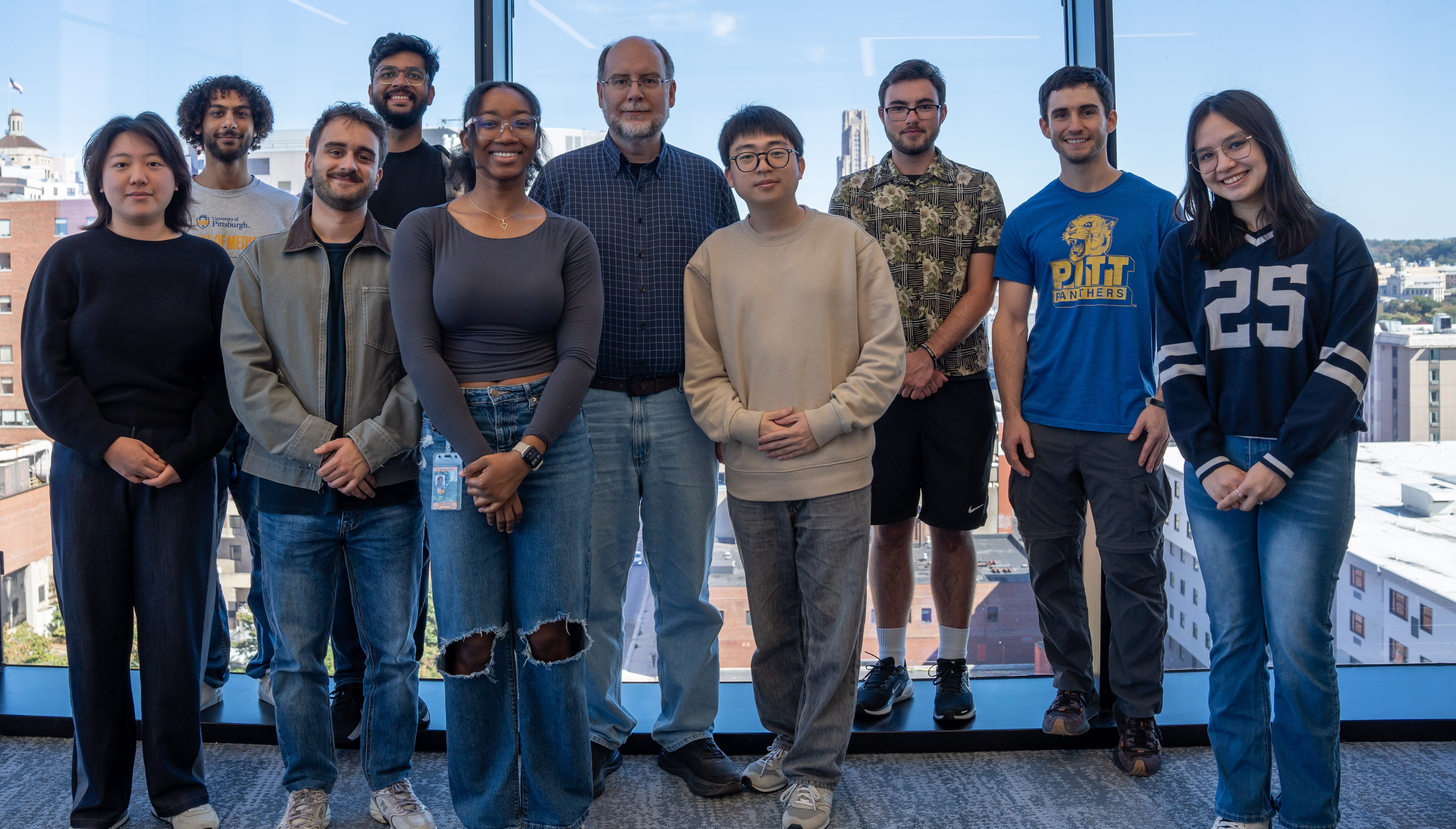
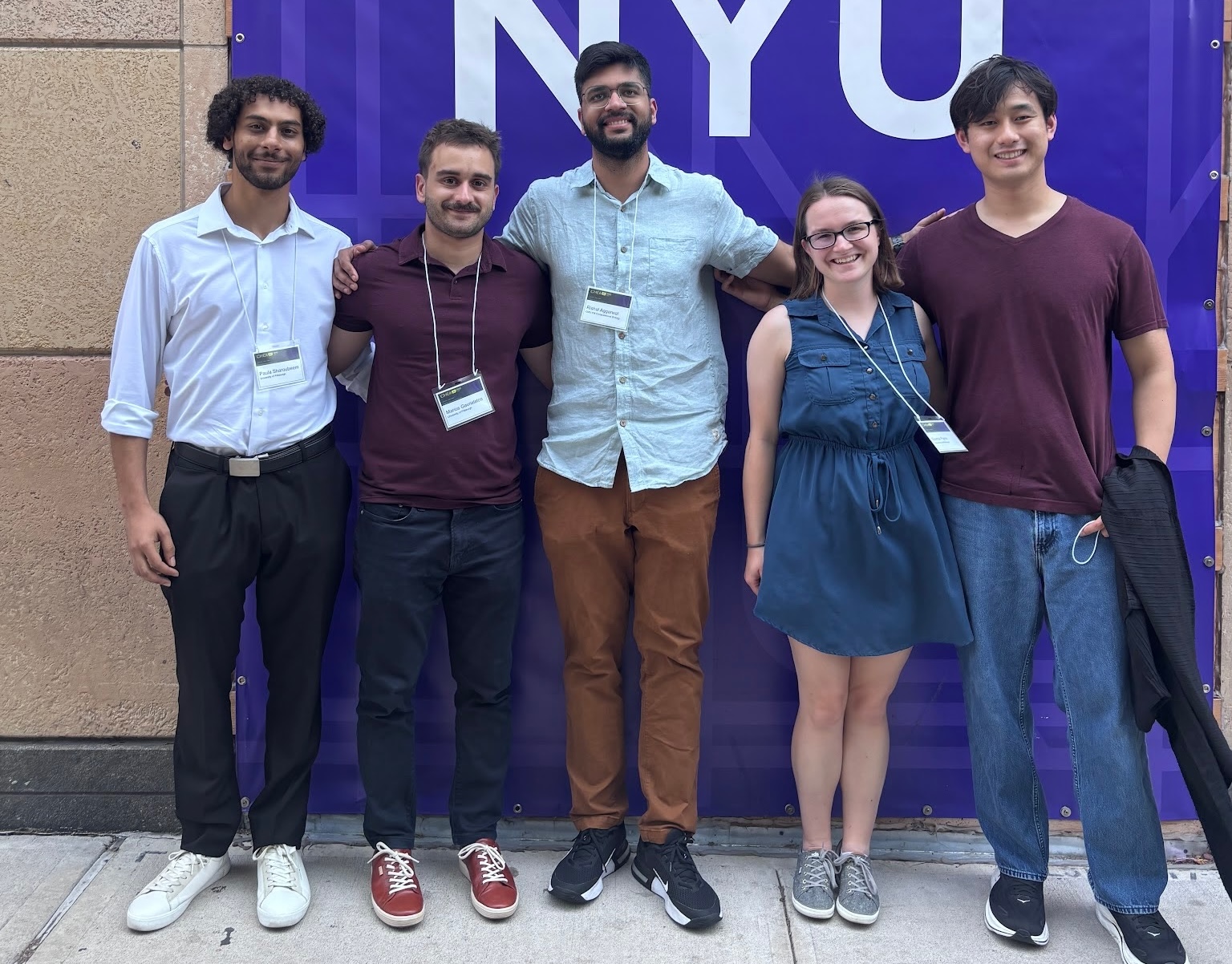
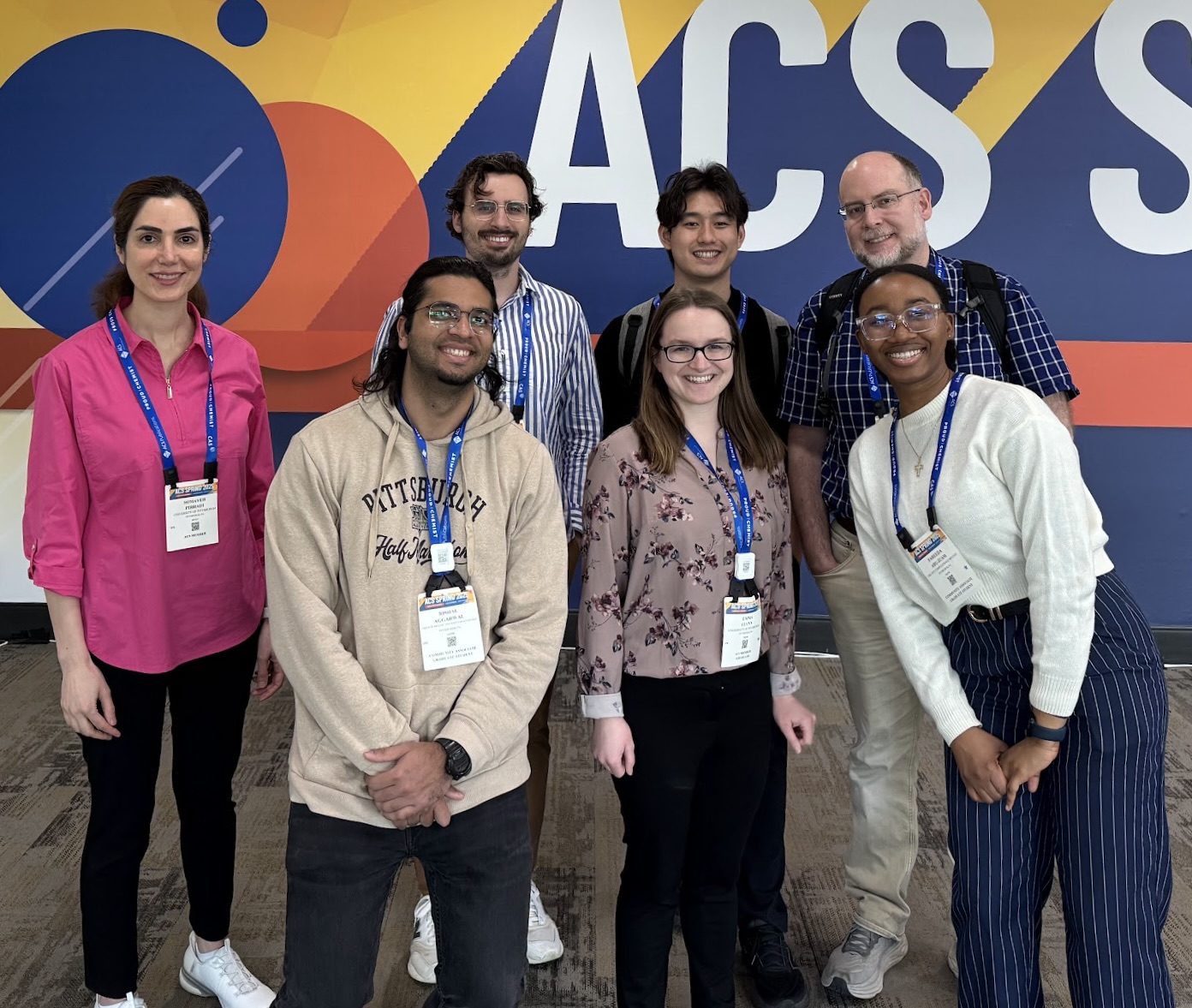
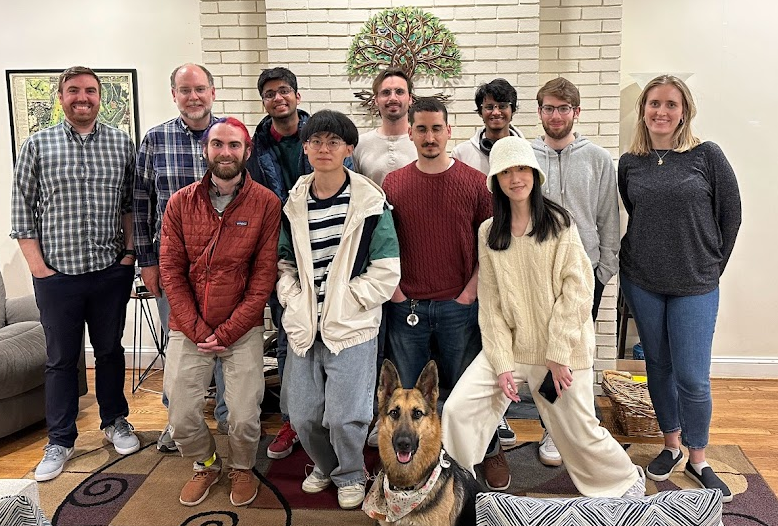
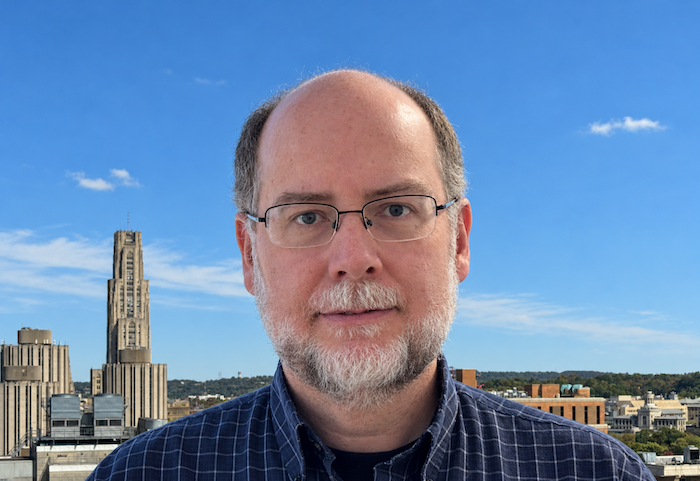
I am an Associate Professor in the Department of Computational and Systems Biology at the University of Pittsburgh and Co-Director of the Carnegie Mellon – University of Pittsburgh Ph.D. Program in Computational Biology (CPCB). I am also affiliated with the Computational Biomedicine & Biotechnology (COBB) Master of Science program.
My research combines molecular modeling, algorithm design, and machine learning to make drug discovery better, faster and cheaper. I develop computational algorithms and practical software tools, and apply these methods towards the discovery of new therapeutics. I am committed to open-source software and open science.
An introduction to the modern computational approaches and governing physical and chemical principles that underpin structure-based drug discovery.
Fall Semester (2025–)
Successor to Scalable. Less distributed and cloud computing. The focus remains on applications rather than theory. Co-taught with Maria Chikina
Spring Semester (2025–)
Distributed and cloud computing meets machine learning meets computational biology. The focus is on applications rather than theory. Co-taught with Maria Chikina
Spring Semester (2016–2024)
A graduate-level introductory programming course with a focus on analyzing biological data.
Fall Semester (2013–2023)
An introduction into the physical, chemical, and algorithmic underpinnings of computational structural biology.
Fall 2022, Spring 2025
The Computational Biology Summer Academy at UPMC Hillman Cancer Center.
An experiential summer academy for rising high school juniors and seniors.
Co-Director 2013–2023
Deep learning for molecular docking
Interactive exploration of chemical space
Molecular visualization with WebGL
Multi-task generative model for structure-based drug discovery.
Flow matching model for unconditional 3D de novo molecule generation.
Python library for CUDA accelerated molecular gridding
Molecule attention transformer for aqueous solubility prediction.
Collection of scripts for creating and visualizing 2D QSAR models
Scoring and Minimization with AutoDock Vina
*Developed in collaboration with the Camacho Lab
I currently have no extramural funding, but a renewal of R35GM140753 is pending.
I have previously received funding from R35GM140753 from the National Institute of General Medical Sciences, CHE-2102474 from the National Science Foundation (with Geoff Hutchison), R21EY032632 from the National Eye Institute (with Partha Roy, Donna Huryn, and Andrew VanDemark), R01GM108340 from the National Institute of General Medical Sciences, CHE-1800435 from the National Science Foundation (with Geoff Hutchison), R21NS107785 from the National Institute of Neurological Disorders and Stroke (with Sam Poloyac and Lee McDermott), Relay Therapeutics, the Samuel and Emma Winters Foundation, the CTSI Biomedical Modeling Pilot Award, and aigrant.org, as well as hardware and software support from NVIDIA and Google Cloud Platform.